
Hounds of Marrow County Dogs and Companions Guide
Forty-plus mutts with personalities—pick a partner that matches how you hunt.
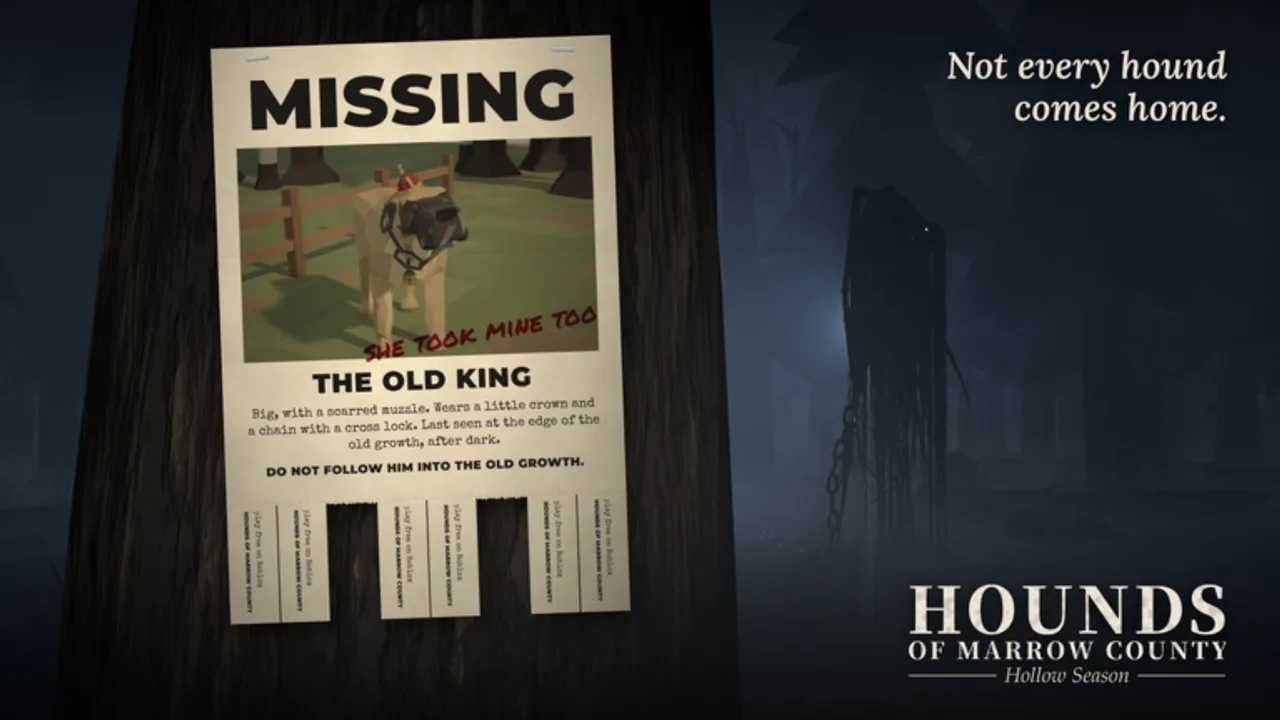
Hounds of Marrow County puts a dog at the center of survival. Officially you get 40+ different dogs with different personalities and traits to assist you while you conquer the haunted Appalachian forest. This guide explains how to think about companions without inventing unverified breed stat tables. Role-based advice beats fake numbers that Alpha patches would obsolete anyway.
Pair this page with Getting Started if you are new, Hunting and Skinning for the Marks loop, and Night Survival for after-dusk teamwork. Browse every tutorial from the Guides Hub.
Why the mutt matters
The fantasy is not lone sniper—it is hunter plus hound. Your dog helps you push through adversity: locating pressure, supporting fights, and making lonely stretches of forest feel manageable. When players ignore the companion, they play half the game. Treat the mutt as loadout, not scenery.
Personalities and traits are the official framing. That means two dogs can look similar and still feel different in how they assist. Spend your early sessions noticing behavior: Does the dog stick close? Does it surge toward animals? Does it calm your movement or create chaos you have to manage? Those observations matter more than a spreadsheet you cannot verify.
Role framing: hunting vs survival
Until detailed public stat sheets exist, choose by role.
Hunting-focused mutts
Pick hunting energy when your session goal is animal volume and Marks:
- You plan multiple track → shoot → skin cycles.
- You want a dog that stays engaged while you line up shots.
- You accept a bit more aggression if it helps secure kills before animals escape.
Hunting focus pairs naturally with Hunting and Skinning. Bring a firearm playstyle you can control—there are 15+ guns and attachments—so your dog’s pressure and your aim do not collide.
Survival-focused mutts
Pick survival energy when the goal is lasting through routes, night, or risky objectives:
- You value a companion that supports retreats and regroups.
- You expect gnome revenge, night threats, or long walks between sales.
- You would rather lose a kill than lose the run.
Survival focus shines with Night Survival and cautious Gnomes and Marks attempts. Set your lodge waypoint first so dog-assisted escapes have a destination—see Lodge and Trophies.
Hybrid sessions
Most Alpha players mix roles. Daylight hunting with a pushy mutt, then a calmer posture as dusk approaches, is a sane pattern. You do not need a perfect dog on hour one. You need a dog you understand.
How to evaluate a dog in play
Use a short field test after you claim a mutt:
- Movement — Walk a short loop. Note spacing and whether the dog blocks shots or paths.
- First contact — Engage a low-risk animal. Watch how the dog enters the fight.
- Break contact — Disengage toward the lodge. Does the dog help you leave or pull you deeper?
- Inventory pressure — Run the same test with skins to sell. Panic with full pockets teaches faster than empty practice.
If the dog constantly creates bad angles, switch roles or change how you position before you blame the gun. Many “aim problems” are spacing problems.
Bonding tips that stay honest
Official materials emphasize personalities and traits assisting your struggle. Translate that into habits:
- Stay intentional — Move as a pair. Stop treating the dog like an autofollow pet you forget.
- Fight on purpose — Do not start three animal fights at once and expect the mutt to solve chaos.
- Reward consistency — Repeat routes so you learn how this dog behaves on those paths.
- Bank Marks together — Successful hunt-skin-sell cycles fund better guns and lodge comfort, which makes bonding sessions safer.
- Respect night — Night risk is not only animals. Keep the dog close when visibility and unknown threats rise.
Avoid inventing feeding minigames, hidden affinity meters, or breed DPS charts that are not publicly confirmed. If a future update publishes hard numbers, update this guide—and check Updates.
Dogs and the Marks economy
Companions accelerate the same economy everything else feeds: Marks from skins, optional gnome payouts, spending on guns and lodge. A dog that helps you finish hunts cleanly is effectively income. A dog that gets you killed with unsold skins is a tax. Measure partners by completed sell trips, not highlight-reel chases.
When you compare options later, the Tier List Hub can host community rankings—but only after you personally understand roles. Tier lists without play feel are noise.
Dogs, gnomes, and revenge
Gnomes pay 1,400 Marks each. Break one and they remember, then charge with weaponry. Your mutt is part of that fight-or-flight decision. If your companion is hunting-aggressive, gnome revenge can spiral. If your companion supports breaks toward the lodge, you may survive a bad pull. Decide before you smash ceramic. Details: Gnomes and Marks.
Practical loadout pairing
Think triangle: dog role + gun playstyle + session goal.
- Hunting mutt + mid-range controllable gun + daylight animal route.
- Survival mutt + reliable fallback gun + night or gnome-adjacent route.
- Hybrid mutt + attachments you already understand + lodge waypoint set.
Attachments exist to suit every player—do not buy complexity before you can hit clean shots. Getting Started still applies: Getting Started.
Common companion mistakes
- Shopping for a “best dog” before learning one dog.
- Ignoring personality differences and assuming all mutts play identical.
- Letting the dog pull you into stacked animal fights.
- Attempting gnome farms with no escape plan and no lodge waypoint.
- Reading scripts or tier pages before finishing a single bonded hunt loop—see Scripts and Tier List only as side tools.
Suggested practice plan
- Clear day-one steps in Getting Started.
- Run three daylight hunts focused on dog spacing.
- Sell skins; note how often the dog helped finish cleanly.
- Set lodge waypoint; practice one retreat with the dog (Lodge and Trophies).
- Try one dusk session with survival posture (Night Survival).
- Only then consider a gnome break (Gnomes and Marks).
Related reading
- Guides Hub
- Hunting and Skinning
- Night Survival
- Players for creator and community context
- Codes if a promo includes companion-related rewards
Your mutt is the difference between a haunted hike and a hunting partnership. Pick a role, learn its habits, and let Marks follow completed trips—not wishful breed myths.
Frequently Asked Questions
Quick answers for hunters in Marrow County.
How many dogs are in Hounds of Marrow County?
The game advertises 40+ different dogs with personalities and traits that assist you. Exact lists can shift in Alpha—focus on role and behavior in play.
Should I pick a hunting dog or a survival dog first?
If your goal is Marks from animals, lean hunting. If you struggle with night or escapes, lean survival. Hybrid play is fine once you understand one mutt.
Do you publish breed stat tables here?
No. Unverified tables go stale in Alpha. This guide uses role-based advice grounded in official personality and trait framing.
Can my dog help with gnome revenge fights?
Your mutt is part of fight-or-flight. Aggressive hunting energy can escalate; survival posture may help you reach the lodge. Plan before you break a gnome.